
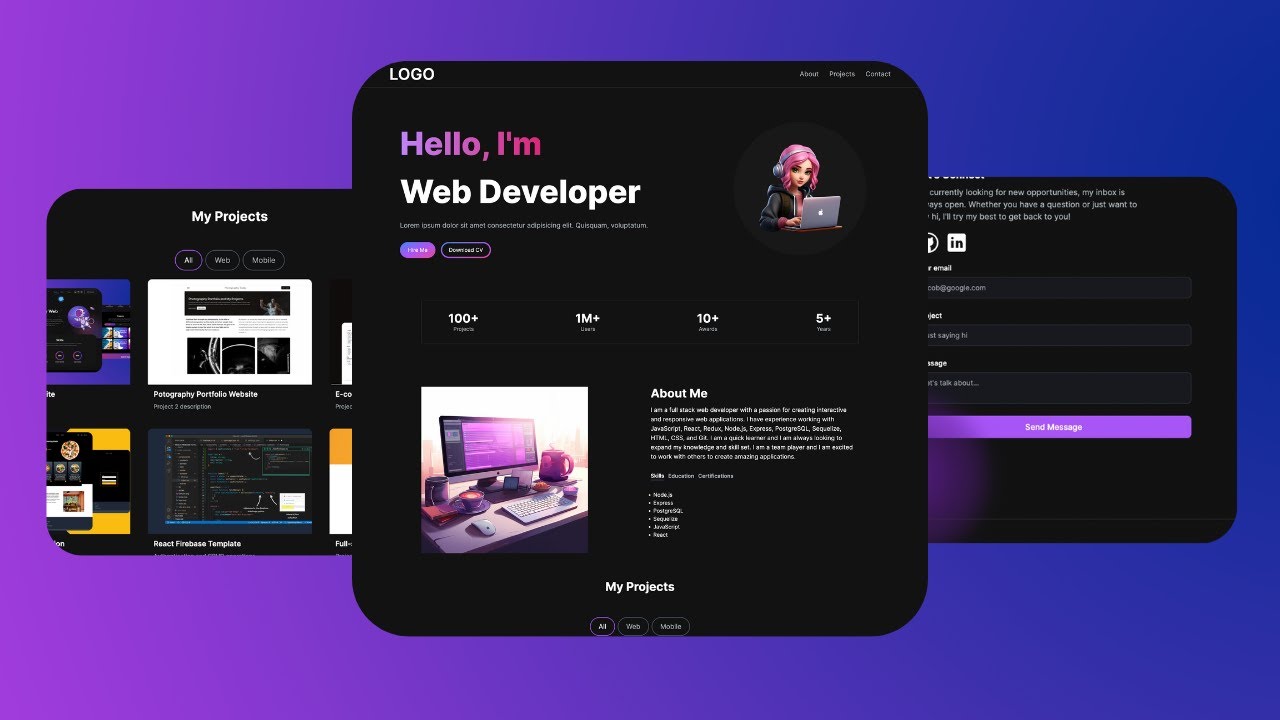
As technology continues to evolve at an unprecedented rate, the field of software development is witnessing a paradigm shift thanks to artificial intelligence (AI) code generators. Once thought to be a distant reality, AI-assisted coding is now a powerful tool that developers can use to automate code generation, enhance productivity, and streamline the software development process. This revolution is reshaping the landscape of programming by reducing the need for manual coding while enabling developers to focus more on the creative and complex aspects of their projects.
In this blog post, we'll explore how AI code generators are transforming software development, discuss the advantages and challenges they present, and take a look at some of the top AI code generators available today.
What Are AI Code Generators?
AI code generators are sophisticated software tools that use machine learning models to write, optimize, or assist in the creation of code. These tools are trained on vast datasets containing millions of lines of code from a variety of languages, libraries, and frameworks. As a result, they can produce code snippets, functions, or entire blocks of code based on user input or contextual understanding.
The core technology behind AI code generators often involves natural language processing (NLP), which allows developers to describe functionality in plain English and get corresponding code in their desired programming language. This ability makes AI code generators incredibly versatile, reducing coding time and making programming accessible to individuals who may not have formal coding experience.
The Rise of AI Code Generators
AI's role in development is no longer just a futuristic concept. AI-powered tools like GitHub Copilot, OpenAI’s Codex, and Replit Ghostwriter have already gained significant traction in the software industry. These tools use deep learning models to assist developers in generating code based on natural language prompts or existing codebases. While traditional programming will always require human creativity and intuition, AI code generators can handle repetitive tasks and boilerplate code much more efficiently.
1. GitHub Copilot
GitHub Copilot is one of the most popular AI code generators in use today. Developed in collaboration between GitHub and OpenAI, Copilot integrates directly into popular development environments like Visual Studio Code. It works by suggesting whole lines or blocks of code as you type, drawing from the context of your project to offer smart suggestions. Copilot can be especially useful for generating routine code, automating tests, or even offering potential solutions to complex programming challenges.
- Learn more about GitHub Copilot: GitHub Copilot
2. OpenAI Codex
Codex, developed by OpenAI, powers tools like GitHub Copilot but is also available as a standalone API. It’s an advanced AI model that can interpret and generate code in various programming languages. Codex allows developers to input natural language prompts and receive accurate code suggestions, making it a great tool for prototyping, learning, or automating mundane coding tasks.
- Learn more about OpenAI Codex: OpenAI Codex
3. Replit Ghostwriter
Replit’s Ghostwriter is another powerful AI code generator that focuses on streamlining the coding process. Ghostwriter is integrated directly into Replit’s online IDE, providing real-time code suggestions and allowing users to collaboratively develop projects with the help of AI. Ghostwriter is designed to speed up workflows and help users—especially new developers—write high-quality code with fewer errors.
- Learn more about Replit Ghostwriter: Replit Ghostwriter
4. Tabnine
Tabnine is an AI-powered code completion tool that supports a wide range of programming languages and IDEs. It offers real-time code suggestions, similar to autocomplete, but with much more contextual awareness. Tabnine's AI model learns from your coding habits and the project’s codebase, offering increasingly relevant suggestions as you write code.
- Learn more about Tabnine: Tabnine
Advantages of AI Code Generators
The rise of AI code generators presents several key benefits for developers:
1. Increased Productivity
AI code generators can significantly boost productivity by handling routine and repetitive coding tasks. Developers no longer need to spend hours writing boilerplate code, as AI tools can generate it quickly and accurately. This allows developers to focus more on higher-level problem-solving and creativity.
2. Faster Prototyping
AI tools can generate working prototypes in a fraction of the time it would take a human developer. Whether you're creating an MVP (minimum viable product) or testing new ideas, AI-generated code can serve as a foundation for faster iterations.
3. Improved Code Quality
By leveraging AI, developers can reduce the chances of errors in their code. AI code generators are trained on vast datasets, which means they can often produce cleaner, more efficient code than a human might, especially when it comes to repetitive patterns or common algorithms.
4. Accessibility
AI code generators lower the barrier to entry for new developers. Those without extensive programming knowledge can use natural language prompts to generate code snippets, making programming more accessible to non-experts.
Challenges and Limitations
Despite the numerous advantages, AI code generators also come with their share of challenges:
1. Limited Understanding
AI models like Codex and Copilot are powerful but are still limited in their understanding of complex programming contexts. Developers may find that AI-generated code requires substantial tweaking and validation to fit specific requirements.
2. Security Risks
AI code generators are not foolproof when it comes to security. They may inadvertently suggest insecure code or overlook vulnerabilities. Developers must carefully review AI-generated code for security flaws before deploying it in production environments.
3. Creativity Constraints
AI code generators excel at automating repetitive tasks but may struggle with creative problem-solving. Human intuition, experience, and innovation are still crucial for solving novel problems and creating unique solutions.
The Future of AI Code Generators
As AI code generation technology continues to mature, we can expect even greater advancements in this space. The next generation of AI tools will likely offer deeper integration with development environments, better contextual understanding, and improved customization options. AI will become a valuable collaborator, helping developers write more efficient, error-free code while automating time-consuming tasks.
However, it’s important to recognize that AI will not replace human developers but rather augment their capabilities. The future of software development will likely be a collaborative effort between AI and human creativity, allowing developers to focus on what they do best—solving complex problems and innovating.
Conclusion
AI code generators are transforming the way we approach software development. By automating repetitive tasks and providing powerful code suggestions, these tools are enhancing productivity and making coding more accessible. As technology continues to evolve, AI-powered development tools will play an increasingly important role in the future of coding.
To explore AI code generators further, check out some of the leading platforms:
- GitHub Copilot
- OpenAI Codex
- Replit Ghostwriter
- Tabnine
Keywords: AI code generators, GitHub Copilot, OpenAI Codex, Replit Ghostwriter, Tabnine, AI-assisted coding, future of software development, AI in programming, code automation tools, AI in coding.
Share Your Music with the World on AudiaBox
Calling all artists! Join AudiaBox – the platform designed for musicians to upload, share, and connect with listeners. Elevate your music, grow your fanbase, and stream anytime, anywhere.
Get Started – Upload Your Music
Comments (0)